Free Shipping on Orders of $150 + AND Earn Points To Spend On Products and Services
Effective Rosacea Treatment Strategies
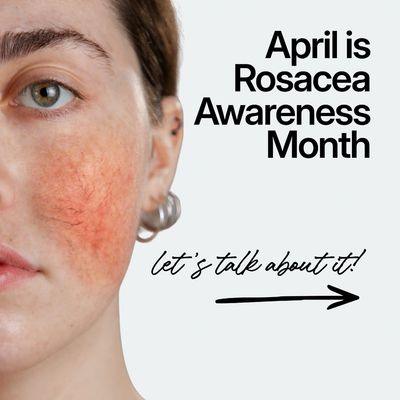
Rosacea is a chronic but treatable condition primarily affecting the central face, often characterized by flare-ups and remissions. It typically begins any time after age 30, presenting as flushing or redness on the cheeks, nose, chin, or forehead that may come and go. Understanding how to identify different rosacea types and recognizing common rosacea triggers can help in managing this condition effectively.
ROSACEA TYPES
• Subtype I: Erythematotelangiectatic Rosacea This rosacea type is characterized by flushing and persistent central facial erythema. While telangiectasias are common, they are not essential to the diagnosis.
• Subtype 2: Papulopustular Rosacea This subtype of rosacea includes persistent central facial erythema accompanied by transient papules, pustules, or both in a central facial distribution. Patients may also report burning and stinging, which are common rosacea triggers.
• Subtype 3: Phymatous Rosacea This rosacea type may involve thickening of the skin, irregular surface nodularities, and enlargement. Phymatous rosacea occurs most frequently as rhinophyma but can also manifest on other areas, including the chin, forehead, cheeks, and ears. In the phymatous region, expressive follicles and telangiectases may be present.
• Subtype 4: Ocular Rosacea This subtype may present symptoms such as watery eyes, a bloodshot appearance, telangiectasia of the conjunctiva and lid margin, or lid and periocular erythema. Associated conditions like blepharitis, conjunctivitis, and irregularity of eyelid margins can also occur.
Although rosacea can affect all segments of the population, individuals with fair skin who tend to flush or blush easily are believed to be at the greatest risk. This disorder is more frequently diagnosed in women but tends to be more severe in men. There is also evidence that rosacea may run in families and is especially prevalent among people of Northern or Eastern European descent. Furthermore, understanding the various rosacea types can help in managing the condition more effectively.
While the exact causes of rosacea remain unclear, there are several intriguing theories regarding rosacea triggers:
• Some studies have shown positive results when individuals treated with medications that eradicate Helicobacter Pylori— the bacteria responsible for stomach ulcers. It appears that H. Pylori may be more commonly found on the skin of persons with rosacea compared to P. acnes bacteria, which leads to acne breakouts.
• In certain cases of rosacea, an overpopulation of demodex mites is observed. These mites embed themselves into the walls of hair follicles, causing the skin to become swollen and red.
ROSACEA TRIGGERS INCLUDE
• The sun
• Hot weather
• Exercise
• Hot baths
• Spicy foods
• Indoor heat
• Stress
• Wind
• Alcohol
• Cold weather
• Humidity
• Heated beverages
Clients that display Subtype 2, Papulopustular Rosacea, a common rosacea type, have reported improvements in their skin conditions with The Face Reality Acne Program within approximately 12 weeks (on average). This program consists of a daily home care routine and in-clinic treatments every two weeks until the rosacea triggers are addressed and skin issues have resolved.
This content is provided for informational purposes only and is not intended to serve as a substitute for professional medical advice, diagnosis, or treatment related to rosacea. Holistic Skin Center is not offering, recommending, or endorsing any specific dietary guidelines, prescription drugs, pharmacies, or other information on the site, including information about rosacea triggers or rosacea types. Holistic Skin Center provides no warranty for any information presented. Please consult with a healthcare professional before starting, changing, or terminating any medical treatment. Holistic Skin Center. All Rights Reserved. Updated 6/20/2026.